Learning Hub
Master Google Ads, step by step.
Free AdPredictor guides to review Google Ads structure, measurement, keywords and optimization.
12 guides
Across 3 paths
Updated for 2026
Check the options in your account
Free forever
No signup needed
Learning Paths
Choose your starting point.
Structured paths that take you from zero to confident, one guide at a time.
Beginner
Google Ads Fundamentals
Everything you need to launch your first campaign: account structure, keyword research, ad copy, and conversion tracking.
Progress
0%
Intermediate
Performance Optimization
Take your campaigns from OK to excellent. Quality Score, Smart Bidding, audience targeting, and advanced reporting.
Progress
0%
Advanced
Scale & Automate
Scripts, automated rules, Performance Max, and AI-powered optimization for accounts spending €10k+/month.
Progress
0%
All Guides
Browse all 12 guides.
01
8 min
How Google Ads Auctions Work
Understand the real-time auction, Ad Rank, and why the highest bidder doesn't always win.
02
12 min
Account Structure Best Practices
Campaigns, ad groups, and keyword organization that makes management and optimization straightforward.
03
15 min
Keyword Research for Google Ads
Find the right keywords with the right intent. Match types, search volume, and competition analysis explained.
04
10 min
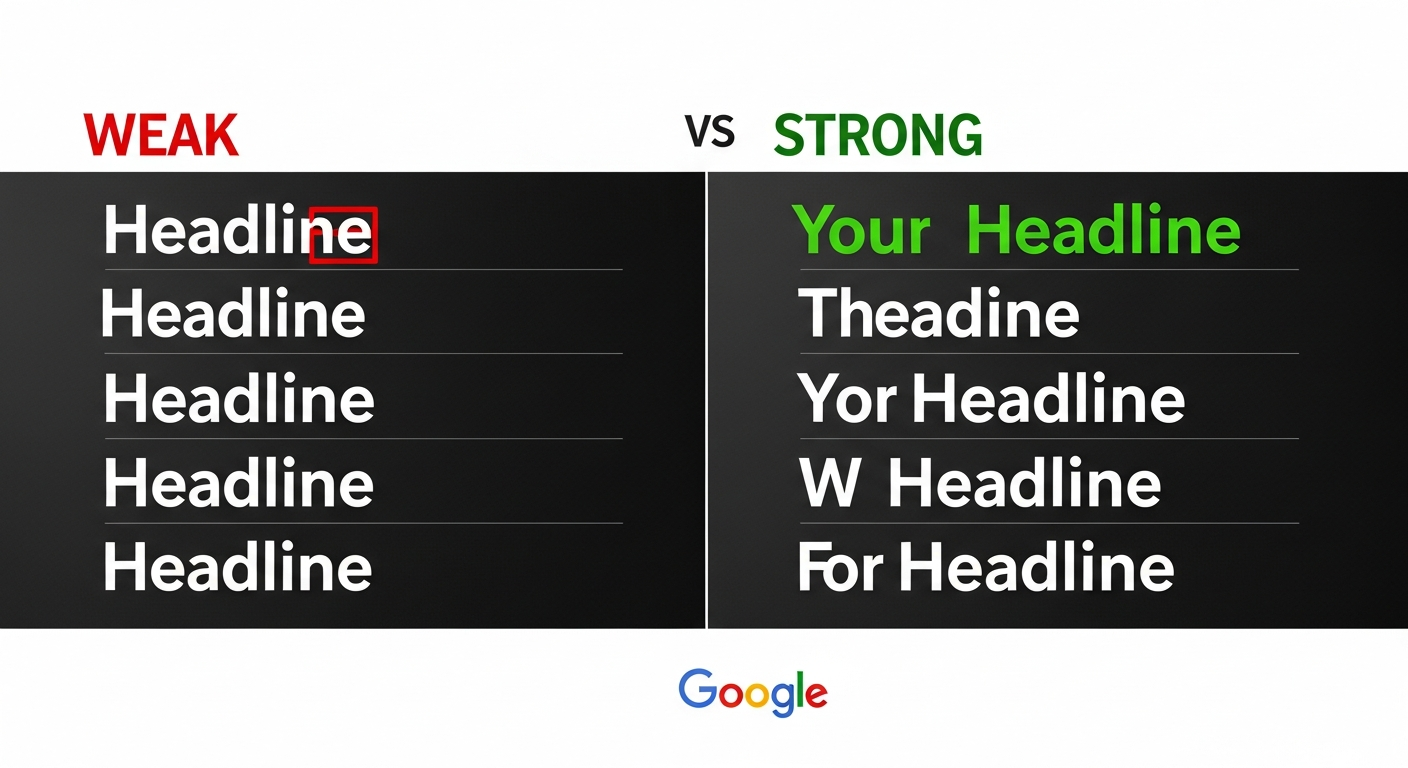
Writing High-Converting Ad Copy
Headlines, descriptions, and extensions that drive clicks and conversions. With real examples and formulas.
05
20 min
Conversion Tracking Setup Guide
Step-by-step setup for GA4-imported conversions. Without accurate tracking, optimization is guesswork.
06
10 min
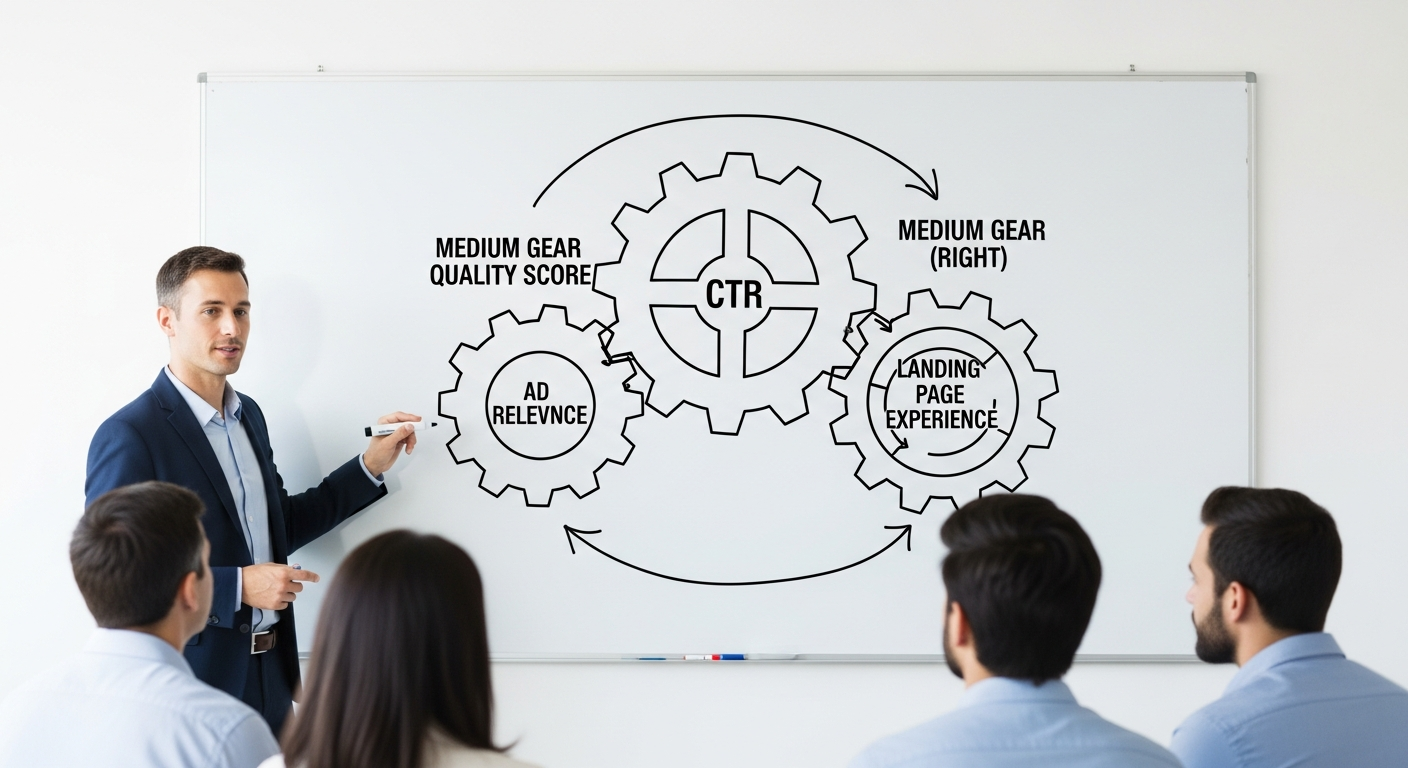
Understanding Quality Score
How QS affects your CPC, ad position, and impression share, and exactly how to improve it.

07
18 min
Smart Bidding: Complete Guide
When to use Target CPA, Target ROAS, or Maximize Conversions, and how to set them up for success.
08
12 min
Negative Keywords Strategy
Build a negative keyword list that stops wasted spend without cutting qualified traffic.

09
14 min
Audience Targeting & RLSA
Layer audiences on top of keywords. Remarketing lists, customer match, and in-market segments explained.
10
8 min
Search Terms Report Mastery
The most underused report in Google Ads. How to read it, act on it, and schedule a weekly audit.
11
20 min
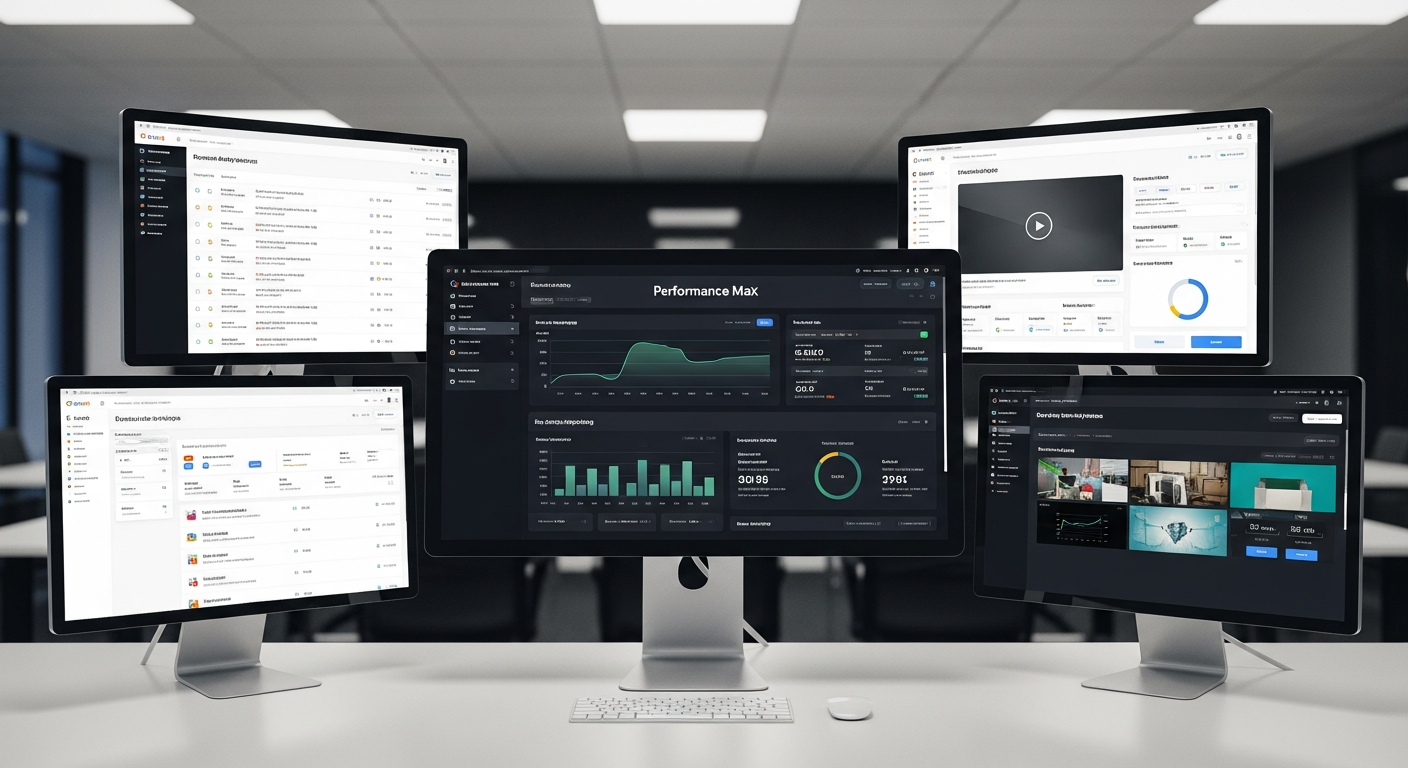
Performance Max Campaigns
How to set up, segment, and optimize PMax campaigns without losing control of where your budget goes.
12
25 min
Google Ads Scripts for Beginners
Automate repetitive tasks with JavaScript scripts. Bid adjustments, alerts, and reports, no programming experience needed.
Can't find what you're looking for?
Browse our blog, try a free tool, or get in touch with us directly.
What do you need to fix in Google Ads?
Practical ways to separate measurement, traffic and conversion problems before changing your budget.